
Home & Garden
Prepare a Home Energy Review Without Guessing at Savings
Organize bills, comfort observations, and equipment details to prepare better questions and make informed improvement decisions.
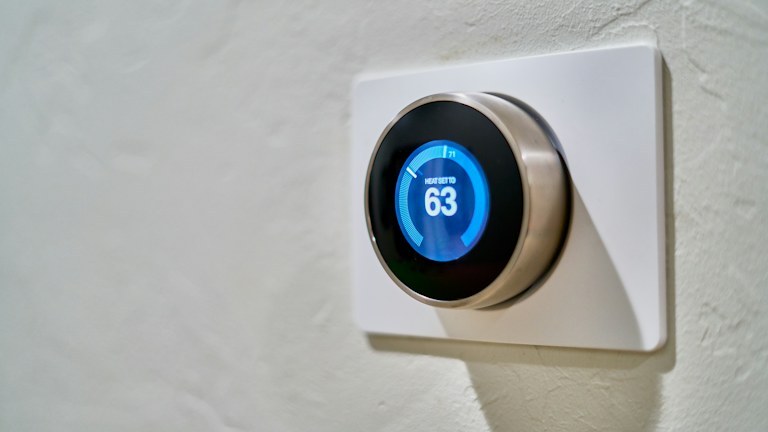
Photo: Dan LeFebvre / Unsplash. Stock photograph for illustration.
In this guide
A home energy review starts with understanding how the household uses energy and where comfort or maintenance problems occur. It does not start with assuming that one gadget will cut everyone's bill by the same amount. Homes differ in size, climate, occupancy, equipment, and energy prices. A useful review gathers observations that help you choose sensible next steps and recognize when professional assessment is needed.
This guide is an organizing framework, not instructions for electrical work, combustion equipment, or changes to building ventilation. Use qualified professionals for those tasks and follow equipment manufacturers' guidance. If you rent, distinguish changes you can make from those requiring the property owner's permission.
Gather comparable information
Collect recent utility bills and look for energy-use figures as well as the amount charged. A bill can change because of rates, fees, billing-period length, weather, or household activity. Comparing only the final cost may hide those differences. Record the dates covered and note unusual circumstances, such as extended travel or additional people staying in the home.
Use a simple table for each energy source. You do not need an elaborate dashboard to begin. Mark estimates or missing readings clearly. If the provider offers a usage history, review its explanations of units and billing adjustments before treating every month as directly comparable. The first goal is to understand the pattern, not calculate a precise saving from incomplete information.
Describe comfort problems room by room
Walk through the home and note where you experience drafts, uneven temperatures, glare, or persistent discomfort. Record when the problem occurs and how the room is used. “Bedroom feels cold on windy evenings” is a more useful observation than “house inefficient.” Photographs and notes can help you explain concerns to a professional later.
Avoid drawing conclusions about hidden building conditions from one symptom. A cold room can have several possible causes. Do not block ventilation openings or alter equipment to test a theory. The review should help you ask better questions while keeping existing safety systems and intended airflow arrangements intact.
Make an equipment inventory
List heating and cooling systems, major appliances, lighting, and devices that run for long periods. Record model details and maintenance information you can obtain safely. Do not remove panels or access areas that require a technician. Keep manuals or links to the manufacturer's instructions in one place.
Note what you already know about operation: programmed schedules, occupied hours, and tasks that require particular equipment. An appliance's label or rated power does not by itself establish your actual annual use. Treat rough calculations as estimates, and check assumptions about run time and operating modes before relying on them for a purchasing decision.
Review ordinary habits first
Look for changes that fit the household's needs without compromising comfort, accessibility, or safety. This might involve switching off unused lighting, reviewing schedules, or using appliance settings as intended. Discuss changes with the people affected. A plan that depends on everybody remembering a complicated routine is less likely to persist.
Choose one or two adjustments you can describe clearly. Record when you make them and what else changes during the same period. If you change ten things at once, it becomes harder to understand which changes were practical. Do not claim a particular saving simply because the next bill happens to be lower.
Separate maintenance from upgrades
Some observations suggest ordinary maintenance; others call for an assessment or replacement decision. Read the manufacturer's maintenance schedule and identify tasks suitable for the user versus those requiring service. Arrange appropriate help when equipment behaves unexpectedly rather than treating an energy review as permission to attempt repairs.
For larger projects, describe the problem you want solved before selecting a product. Better comfort in one room, replacement of failing equipment, and lower energy use are related but different goals. Ask contractors how their proposal addresses your stated problem and what assumptions support any estimates they provide.
Consider a professional assessment
The U.S. Department of Energy presents home energy assessments as a way to understand energy use and identify improvements. Its guidance distinguishes a homeowner's preliminary review from a professional evaluation. A trained assessor may use tools and methods that are not part of a simple visual walk-through.
Ask a prospective provider what the assessment includes, what qualifications are relevant, and what written findings you will receive. Check whether the assessment is independent or linked to selling particular work. Bring your utility records and room observations. A useful report should help you prioritize actions and understand their limitations rather than simply deliver a list of products.
Compare proposals on the same basis
When requesting quotes, describe the same scope to each provider. Ask what is included, what is excluded, and what could change the price. Confirm relevant permits, warranties, and follow-up arrangements through appropriate local sources. Do not compare a comprehensive proposal with a narrow installation quote as if they cover identical work.
Treat savings estimates as conditional. Ask which energy prices, weather assumptions, occupancy patterns, and equipment performance figures were used. Rebates and incentives also change, so verify eligibility and timing with the official program before committing. Avoid purchasing mainly because a headline claims that the project will pay for itself within a fixed period.
Keep a decision log
Create three groups: straightforward actions, questions for a professional, and possible future projects. Add an owner, next step, and review date to each item. This prevents an observation from becoming either an immediate purchase or a forgotten note. Keep completed work records alongside warranties and maintenance information.
After a change, review comfort and use over a meaningful period while considering weather and household differences. A fictional household might discover that a scheduling adjustment is convenient while a persistent room problem still needs assessment. That is useful progress even without a dramatic percentage claim. The outcome of a good review is a clearer understanding of the home and a justified sequence of next steps.