
Everyday Living
Build a Grocery Plan Around the Food You Will Actually Use
Connect your shopping list to what is already at home, the meals you will actually make, and the quantities you can use.
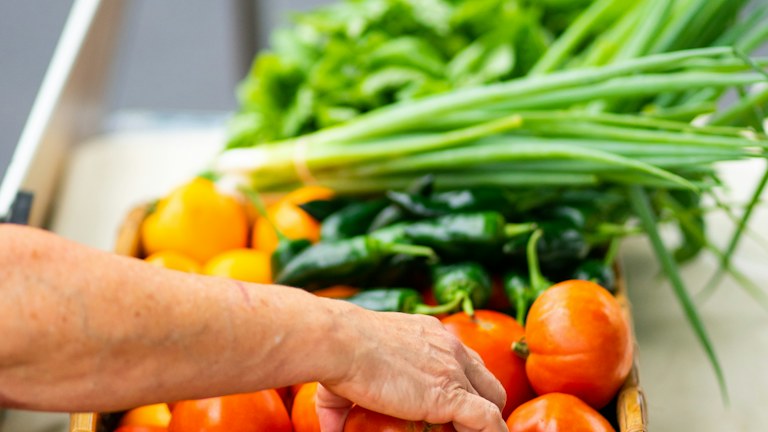
Photo: Andrew Benjack / Unsplash. Stock photograph for illustration.
In this guide
A grocery plan is most helpful when it connects the food already at home with the meals your household is likely to prepare. It does not need to predict every appetite or lock you into seven elaborate dinners. Start with the week's real schedule, identify a few useful meals, and buy quantities that fit those plans. The aim is less forgotten food and fewer last-minute decisions, without making shopping another large project.
This guide focuses on organization and purchasing habits. For storage times, handling, cooking, and food-safety decisions, consult current official guidance for the particular food. Do not use appearance, smell, or a desire to avoid waste as a substitute for safe handling instructions.
Look through what you already have
Check the refrigerator, freezer, and pantry before making the list. Write down ingredients that need a plan and items you are nearly out of. Keep the review brief enough to repeat before ordinary shopping trips. You do not need a permanent inventory of every spice jar unless that genuinely helps your household.
Pay attention to opened packages and duplicate purchases. If several people shop, use a shared list or agree on who checks particular categories. Clearly label food when appropriate and keep storage instructions accessible. If you find something whose history or safety is uncertain, follow official guidance instead of building a meal around it merely to avoid discarding it.
Plan for the week you actually expect
Mark evenings when people will be away, arrive late, or have little time to cook. Those nights may call for a familiar quick meal rather than a new recipe with many ingredients. Leave some flexibility for changing plans. A meal schedule that assumes perfect attendance can create excess food even when the shopping list is followed exactly.
Choose a small number of meals that use overlapping ingredients in different ways. For example, a fictional household might plan one vegetable dish and another meal using the remaining suitable produce. The point is deliberate reuse, not repeating an unwanted meal simply because a package was large. Check the quantities required before deciding that ingredients overlap enough to help.
Write a list with quantities
A list that says “fruit” is less useful than one describing the amount the household expects to eat before the next trip. Use quantities meaningful to you: individual items, package sizes, or amounts needed for particular recipes. The Environmental Protection Agency recommends checking supplies, planning meals, and shopping with quantities in mind as part of preventing wasted food at home.
Group the list in a way that suits the store or ordering app. Separate essential ingredients from optional extras so you can adapt if something is unavailable or costs more than expected. Record a suitable substitution when the recipe allows it, rather than buying several alternatives and hoping one will work.
Compare usable value, not package size
A larger pack may have a lower unit price and still be poor value if much of it goes unused. Compare the amount you expect to consume, the storage space available, and whether you have an appropriate plan for the remainder. A smaller quantity can be the more practical purchase even when its displayed unit price is higher.
Check the unit basis when comparing prices. Two shelf labels may use different units or describe different product forms. Include delivery charges or minimum-order requirements in online comparisons. Avoid adding items solely to reach a discount threshold without considering whether the additional purchase solves a real need.
Give flexible ingredients a role
Keep a modest set of familiar ingredients that support meals you genuinely make. A fallback meal can reduce the temptation to abandon the plan entirely after a busy day. Write down the ingredients for two or three such meals and check them during the pre-shopping review.
Do not build an emergency pantry around foods nobody likes. Review what actually gets used over several weeks and adjust the list accordingly. If an ingredient repeatedly remains untouched, investigate why: the recipe takes too long, another household member dislikes it, or the required equipment is inconvenient. Buying it again does not solve that underlying problem.
Organize arrival and storage
Put groceries away promptly according to their handling and storage requirements. Arrange items so you can see what needs using, while maintaining appropriate storage conditions. Keep household cleaning products separate from food. Follow package instructions and official food-safety guidance rather than assuming every product belongs in the same place.
Use a visible meal note or list of ingredients awaiting use if that helps. The note should remind you of a plan, not encourage keeping food beyond a safe period. When freezing is appropriate, label the contents and date and check reliable instructions for the item. Avoid creating an unidentifiable collection that will be overlooked for months.
Make leftovers a planned possibility
When cooking extra intentionally, decide who will use it and when, and follow safe cooling, storage, and reheating guidance. Record portions in a way that the household understands. A container without a label or plan is easy to forget, particularly when several people prepare food independently.
Keep preferences realistic. Some households enjoy the same meal twice; others prefer ingredients that can be assembled differently. Learn which approach works before routinely doubling recipes. If planned leftovers regularly go uneaten, reduce the original quantity or change the meal plan rather than treating the waste as an unavoidable feature of cooking.
Review one shopping cycle at a time
Before the next trip, note what ran out early, what remained unused, and which meals were abandoned. Choose one adjustment. You might buy fewer delicate ingredients, reduce a bulk purchase, or reserve a simple meal for the busiest evening. A short review is more sustainable than trying to calculate every gram of household food immediately.
For example, a fictional shopper might discover that buying ingredients for five cooked dinners is unrealistic during a week with two evenings away. Planning three dinners and a flexible backup better matches actual life. The best grocery routine is one you can repeat: check supplies, plan realistic meals, buy useful quantities, store food appropriately, and learn from what happens before shopping again.
Source
U.S. Environmental Protection Agency: Preventing Wasted Food at Home