
Home & Garden
Plan Your First Container Garden Before Buying Plants
Match plants and containers to your light, available space, and watering routine before buying a collection of seedlings.
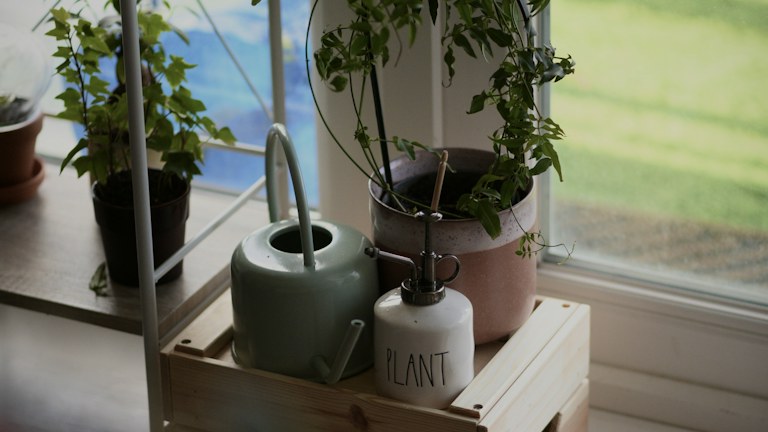
Photo: Elly M / Unsplash. Stock photograph for illustration.
In this guide
A container garden begins with the space and attention you can offer, not with a cart full of attractive seedlings. A sunny doorstep, a sheltered balcony, and a shaded courtyard present different possibilities. Before choosing plants, observe the location, work out how you will water, and decide what you want from the project. A few herbs for cooking can be a satisfying first season without turning every available corner into a garden.
This guide focuses on planning and record keeping. Plant requirements vary with species, climate, season, and local conditions. Use the growing instructions for the particular plant and advice from your local extension service when making detailed decisions about planting dates, containers, and care.
Observe the location over several days
Check the space in the morning, around midday, and later in the afternoon. Record where direct sun falls and what creates shade. A spot that looks bright through a window may receive less direct sunlight than you expect. Buildings, railings, and trees can change the pattern, and the pattern can change with the season.
Notice wind exposure and practical access too. Can you reach the plants without moving furniture? Could a container obstruct a doorway or shared walkway? On a balcony, check building rules and load considerations before adding heavy pots. Do not assume a railing can support a hanging container simply because the pot fits over it.
Decide what you will actually use
Choose plants that match a purpose you care about: herbs you cook with, a few salad ingredients, or flowers you enjoy seeing near the entrance. Starting with a small selection makes differences easier to notice. If every plant has different care needs, the first season can become an exercise in remembering instructions rather than enjoying the space.
Write down your intended use beside each candidate. If you rarely cook with a particular herb, its appealing photograph may not be a good reason to buy it. Consider whether you want repeated harvests, a seasonal display, or simply to learn a growing skill. Those are all legitimate goals, and they lead to different choices.
Match the plant to the container
Read the plant label and look up its mature size before selecting a pot. The University of Maryland Extension explains that container size and growing conditions should suit the crop, and that adequate drainage is essential. A seedling's current appearance does not show how much space it may need later.
Check the container for drainage openings and plan where excess water will go. Avoid creating a slipping hazard or sending runoff onto a neighbor's space. Use containers appropriate for growing plants; do not reuse vessels that held hazardous substances. If you are uncertain about an unusual container material, choose a purpose-made alternative or ask a local horticultural adviser.
Plan the growing medium and basic supplies
Container growing differs from planting directly in the ground. University extension guidance discusses suitable container media, watering, and nutrients together because the root environment is limited. Follow a reliable guide for your chosen plants rather than filling every container with whatever soil happens to be nearby.
Make a short supply list after you choose the plants and pots. Include labels, a way to water, and anything required by the growing instructions. Delay decorative accessories until the basic arrangement works. Keep product labels so you can check application instructions later, and store gardening products according to their directions, away from children and pets.
Make watering practical
Consider the distance to a water source and how much you can comfortably carry. A collection that looks manageable on planting day may become inconvenient when every pot needs attention. Place containers so you can inspect the growing medium and reach the base of each plant without damaging its neighbors.
Avoid assuming that the same fixed watering schedule suits every pot. Weather, plant growth, container material, and location can change water needs. Learn the checking method recommended for your plants and keep brief observations. If you will be away, arrange care beforehand and explain the routine clearly rather than leaving a vague instruction to “water everything.”
Leave room for growth and maintenance
Sketch the arrangement from above. Mark access space, doors, and the mature spread described for each plant. Include any support the crop will need. Installing an appropriate support at the right stage is easier when you have planned for it than when the plant is already leaning across a walkway.
Think about what happens after a container's first planting finishes. You might replant, leave it empty, or change the display. A small flexible arrangement makes these decisions easier. Avoid buying so many containers that maintenance becomes a burden before you have learned which parts of the hobby you enjoy.
Use a simple garden log
Record the plant name, variety if known, planting date, container, and location. Add a photograph occasionally and note changes you notice. The log does not need daily measurements. A few useful observations can help explain why one pot thrived while another struggled, especially when you are comparing the same plant in different locations.
When a problem appears, describe it before searching for a solution. Note which leaves are affected, whether the growing medium is wet or dry, and whether neighboring plants show similar changes. Avoid applying several products at once without identifying the problem. A local extension office can often help interpret photographs and a clear description.
Treat the first season as a small experiment
For a fictional first garden, imagine three labeled containers near a convenient water source. The gardener chooses plants appropriate to the observed light and records care notes once a week. At the end of the season, they review which plants were useful, which tasks were enjoyable, and which containers were inconvenient to reach.
That review provides a better basis for expanding than the number of plants available at the garden center. You may decide to add one larger container, repeat a successful variety, or reduce the collection. A well-planned first garden gives you enough experience to make the next choice deliberately, without requiring a perfect harvest or an elaborate outdoor setup.
Sources
University of Maryland Extension: Growing Vegetables in Containers and Salad Tables
University of Maryland Extension: Types of Containers for Growing Vegetables